Gibberellic Acid (GA3) in Agriculture: Uses, Benefits & Application Guide
Introduction to Gibberellic Acid (GA3)
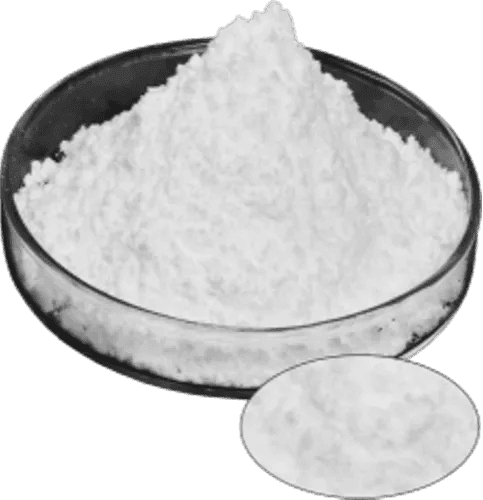
Gibberellic Acid, commonly known as GA3, is a naturally occurring plant hormone that acts as a powerful growth regulator. In commercial agriculture, GA3 is the gold standard for manipulating plant development to achieve specific economic outcomes like larger fruit, better flowering, and faster germination.
The Physiological Impact of GA3
GA3 works by stimulating cell division and elongation. Its primary roles include:
- Breaking Dormancy: Accelerating the germination of seeds that would otherwise take months to sprout.
- Stem Elongation: Increasing the height of plants, which is critical in certain floral and industrial crops.
- Fruit Development: Promoting larger fruit size and reducing seediness in crops like grapes.
- Flowering Regulation: Inducing flowering in plants that usually require cold treatment (vernalization).
Crop-Specific Benefits
| Crop Type | Primary Benefit of GA3 | Optimal Timing |
|---|---|---|
| Grapes | Increase berry size and cluster thinning. | Bloom and fruit set stages. |
| Citrus | Delaying rind aging and extending harvest. | Before color break. |
| Rice | Overcoming semi-dwarfism in hybrid seed production. | Early heading stage. |
| Potatoes | Breaking tuber dormancy for faster planting. | Post-harvest / Pre-planting. |
Dosage and Safety Precautions
GA3 is active at extremely low concentrations (parts per million - ppm). Over-application can lead to "leggy" plants, reduced root growth, or fruit drop. Typical dosages range from 10 ppm to 100 ppm depending on the crop and objective. Always consult with our technical team for specific formulation recipes.
Conclusion
GA3 is a precision tool. When used correctly, it provides one of the highest returns on investment in agro-chemicals. Classic Organic Chemicals ensures that our customers receive the highest purity (90% Tech) GA3 for consistent and reliable results.
Have questions about this guide?
Our technical team is available to help you with specific application guidelines and custom chemical formulations for your unique requirements.