Zinc EDTA: Benefits, Dosage & Application Methods
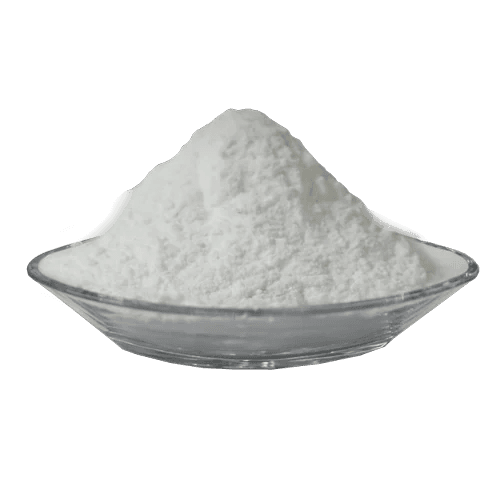
The Critical Role of Zinc in Modern Farming
Zinc is a foundational micronutrient responsible for enzyme activation, protein synthesis, and more importantly, the production of Auxins (growth hormones). In India, over 40% of soils are Zinc deficient, leading to significant yield losses in Rice, Wheat, and Maize.
Why Zinc EDTA vs. Zinc Sulphate?
While Zinc Sulphate is cheaper, it is often ineffective in alkaline or calcareous soils because the Zinc ions quickly react with soil carbonates and become "locked." Zinc EDTA (Ethylenediaminetetraacetic acid) protects the Zinc ion, keeping it water-soluble and available to the plant regardless of soil pH.
Proven Benefits of Zinc EDTA
- High Efficiency: Requires much lower dosage (typically 1/10th) compared to traditional sulphates.
- Foliar Success: Rapidly absorbed by leaves without the risk of scorching when used at recommended doses.
- Compatibility: Can be mixed with most pesticides and liquid fertilizers, saving labor costs.
Application and Dosage
1. Soil Application
Apply 500g to 1kg of Zinc EDTA per acre during field preparation or via drip irrigation for long-term correction.
2. Foliar Spray
Dissolve 1g to 1.5g per liter of water. Spray during the early vegetative stage and repeat before flowering for best results.
Conclusion
Switching to Zinc EDTA is one of the most cost-effective upgrades a farmer can make. Classic Organic Chemicals provides high-purity 12% Zinc EDTA that ensures your crops never suffer from "Hidden Hunger."
Have questions about this guide?
Our technical team is available to help you with specific application guidelines and custom chemical formulations for your unique requirements.